


Cyclists have been benefiting from stretchy elastane fibres in their cycling clothing for decades. Lycra is a leading supplier of elastane. The Lycra Company has filed a pre-packaged Chapter 11 proceeding with the US Bankruptcy Court in Houston, Texas. The lenders support the plan almost unanimously and are providing 75 million US dollars to eliminate the majority of the existing debt of 1.53 billion US dollars. The Wilmington, Delaware-based company expects to complete the process within 45 days. Production processes, customers, suppliers and employees will remain unaffected by the restructuring.
Causes of the financial imbalance
According to various media reports, the economic difficulties began after the takeover by the Chinese textile company Ruyi Textile and Fashion International Group Limited in 2019. The business was heavily burdened for years after this transaction. Lenders took control in 2022 after Lycra defaulted on payments. Falling demand, increasing competition from cheaper generic elastane products, unpredictable US tariffs and ongoing legal disputes with the former owners in China further exacerbated the situation.
Lycra debt reduction
As part of the restructuring, liabilities of USD 1.2 billion will be cancelled. The lenders are providing 75 million US dollars to secure ongoing operations. A further USD 75 million has been earmarked for the period after the proceedings have been concluded. A central component of the plan is the conversion of debt into equity. The financing concept is intended to give the company room for manoeuvre again and enable it to invest in efficiency improvements.
Lycra corporate structure
Lycra was founded in 1958 as part of DuPont de Nemours Inc. and was the original manufacturer of elastane. The company operates eight production facilities, three research laboratories and 11 offices in North America, Europe, Asia and South America. Lycra employs 2,000 people worldwide. The brand is firmly established in the textile industry and continues to be one of the leading suppliers of elastane fibres. However, aggressively priced suppliers from Asia are increasing competitive pressure, while demand is heavily dependent on economic fluctuations in the clothing sector.
Lycra in sportswear
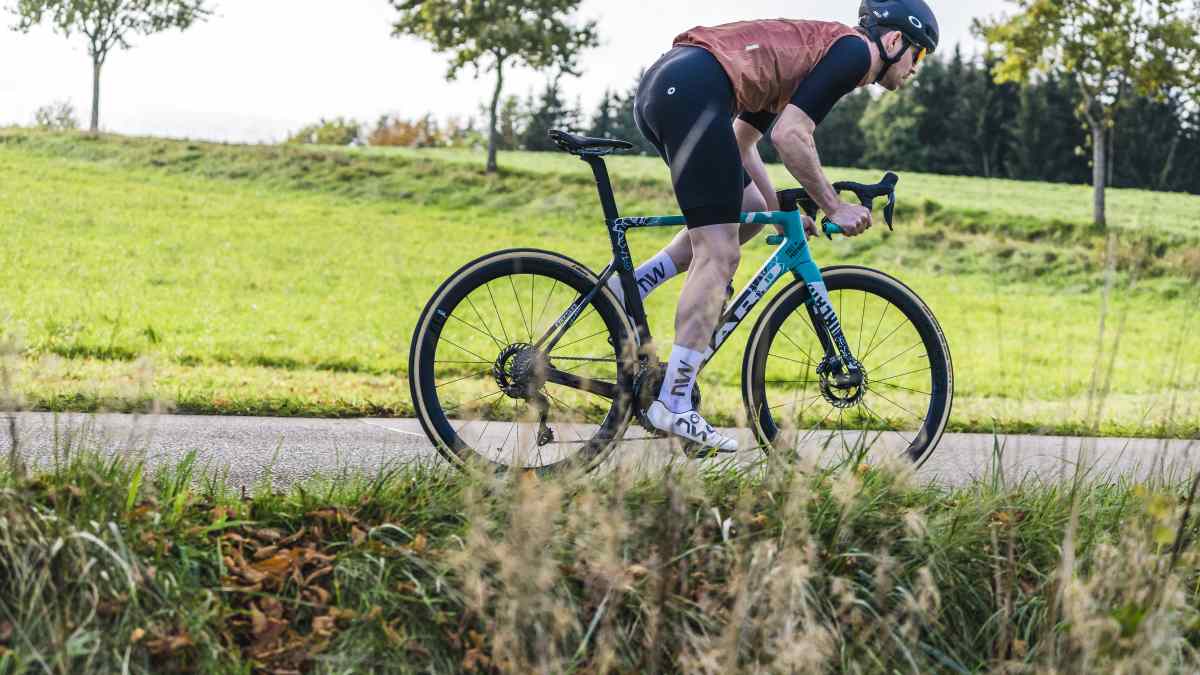
Lycra, a brand name for the synthetic fibre elastane, is an indispensable part of modern sportswear and a standard for functional cycling fashion. The material is characterised above all by its extreme elasticity, as it can be stretched many times its length and then always returns to its original shape. This bi-elasticity enables a close fit that improves aerodynamics in cycling, prevents annoying flapping and minimises painful chafing thanks to the "second skin effect".
In production, Lycra is almost always used as a blended fabric, usually combined with polyester or polyamide. While the accompanying fibres ensure breathability and rapid sweat removal, the Lycra content (usually between 18 and 30 per cent) gives the garment the necessary flexibility and shape retention.
The best tips for cycling shorts:


Kristian Bauer
Editor
