


More protection against injuries: Airbag suit for more safety in professional cycling
Sandra Schuberth
· 10.04.2026

The system is currently still undergoing final testing, but Van Rysel wants to firmly establish the airbag protection as a new safety standard in cycling over the next decade. Van Rysel has been a technical partner of the WorldTour team Decathlon CMA CGM since 2024. The airbag technology should be available to the masses within the next two years.
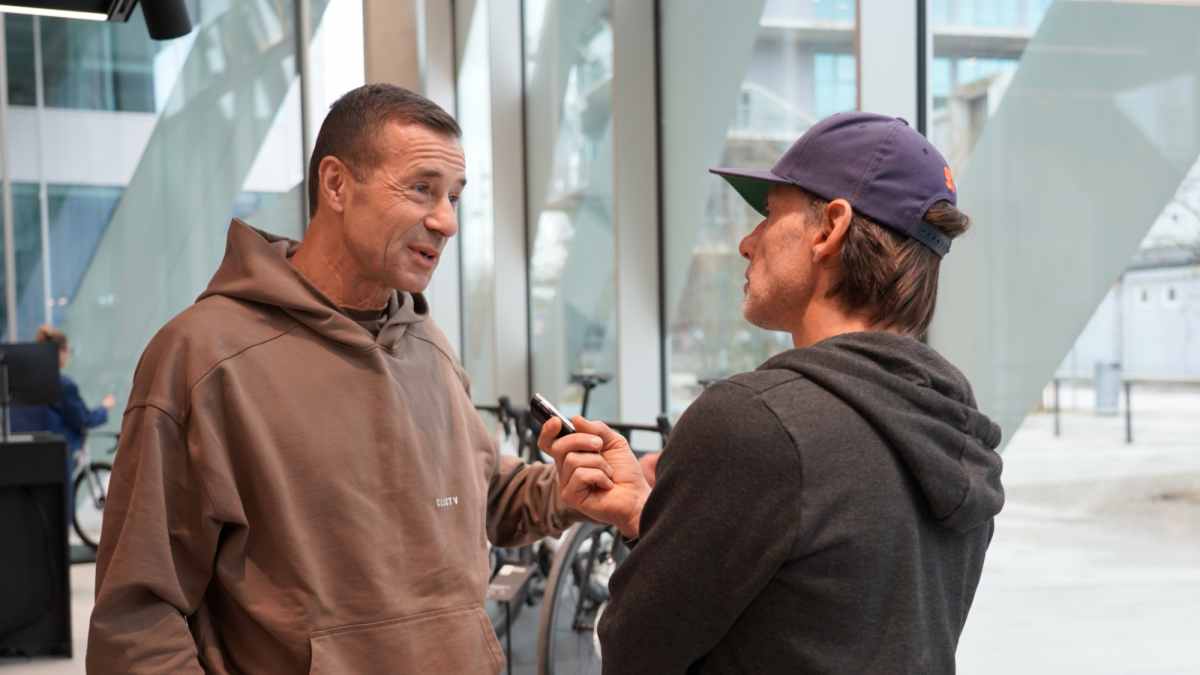
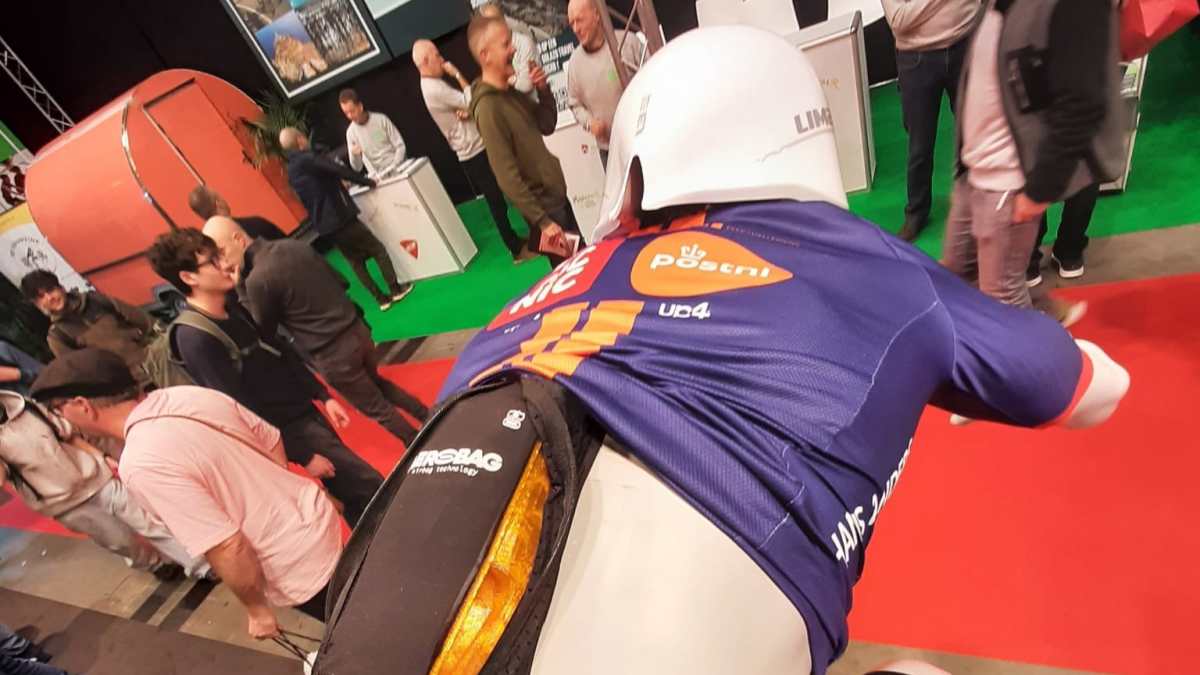
But airbags for cycling are not new. Kai Pflaume uses an airbag rucksack. It has also been triggered before. In 2023, Marcel Kittel speculated whether airbags might also be something for professional cycling in the future, as we don't have a crumple zone. At the beginning of the year, we saw the Aerobag system, which is integrated into the straps of cycling shorts and is probably being tested by Team Picnic PostNL. Now Van Rysel is presenting a similar project. Also for professional sport, also integrated into clothing.
Project Airbag
20 per cent of all WorldTour riders suffer broken bones each season. In the last six years, professional cycling has recorded more than 1300 broken bones. Van Rysel has responded to these figures with a skinsuit that integrates an airbag system directly into the clothing. The system is not an external add-on, but is built into the race-ready suit from the ground up.
The suit is currently in the final validation phase with professional riders. The airbag system itself weighs 500 grams, the complete suit weighs 700 grams. By comparison, airbag systems in MotoGP weigh around 1000 grams for the airbag component alone.
Airbag technology and deployment
Van Rysel developed the system together with In&motion, a French airbag technology specialist from Annecy. The technology originates from MotoGP, where airbag systems are mandatory in competition. According to the manufacturer, the system triggers in 60 milliseconds.
Impact detection is based on algorithms that have been trained with data from more than 450 million kilometres. The system analyses the driving dynamics 1000 times per second and distinguishes between normal racing conditions and a crash. The data comes from high-intensity environments such as MotoGP and ski races.
Rémi Thomas, CEO of In&motion, explains: "This data set feeds machine learning algorithms that are able to analyse riding dynamics in real time. With AIRBAG, we are bringing this data-based intelligence to cycling for the first time."
Protection zones and materials
The system protects three areas of the upper body:
- The core area covers the ribcage and ribs.
- The neck area stabilises the neck and prevents hyperextension.
- The spinal column line is completely covered.
The protection zones were defined on the basis of biomechanical analyses, trauma research and epidemiological studies on bicycle accidents.
The skinsuit uses abrasion-resistant materials in typical impact zones to reduce the risk of abrasions and superficial skin injuries. Further protection zones are to be investigated in future versions.
Aerodynamics and thermoregulation
The current skinsuit version was developed together with aerodynamics specialist Swiss Side. The Swiss engineering firm carried out repeated wind tunnel tests and used CFD simulations to refine the airflow. The aim was to achieve the performance of a traditional WorldTour suit. The tests are continuing.
Maxime Dezoomer, engineer at Decathlon, says: "Our goal was very clear: with or without an airbag, the rider must feel exactly the same. That guided every decision - aerodynamics, heat regulation, weight, everything."
The thermoregulation should achieve the heat dissipation of a conventional racing skinsuit. Validation is carried out using a structured test programme. Heat sensors record data at race intensity. Climate chamber protocols simulate conditions during races in midsummer.
Tests in the professional peloton
Decathlon CMA CGM is already testing the system. Van Rysel Roubaix riders are also validating the suit. The current version is already ready for use, the final validation by professional riders is the last step before a possible race.
Dominique Serieys, CEO of Decathlon CMA CGM, explains: "It is crucial to understand that riders who feel safe are freed from mental load: This inner calm is a real performance gain."
The project is being developed in close dialogue with safety initiatives within the sport. Van Rysel has been working on the development for more than a year.
Is this also available for amateur athletes?
According to the press release, the long-term goal goes beyond elite cycling. Van Rysel plans to make the airbag technology available to end customers within the next two years, so that the technology becomes available at all levels of cycling.

Sandra Schuberth
Editor
