


Completely unnecessary: 3 things you don’t need when gravel riding – or do you?
Sandra Schuberth
· 30.04.2026

In this article, we use so-called affiliate links. With every purchase through these links, we receive a commission from the merchant. All relevant referral links are marked with . Learn more.
1. Electric air pump
Cycplus, Fumpa, Rockbros – these little battery-powered pumps look like gadgets from a spaceship and weigh only slightly more than a muesli bar. Even so: a classic mini-pump costs less, has been working reliably for 40 years, needs no battery and doesn’t give up the ghost in the cold. Technically speaking, this thing is unnecessary.
However: There’s a reason why you’re suddenly seeing these things everywhere. Getting your tyre back in working order at the touch of a button, without driving yourself mad pumping it up after your fifth puncture – that’s a real bonus. Yes, they sound like an angry drone. Yes, you’ll get some odd looks. But when you’re kneeling next to your bike after 80 kilometres, three climbs and a puncture, you don’t want to spend another ten minutes pumping away. You want to carry on riding. That’s exactly what this thing does.
2. Torque wrench
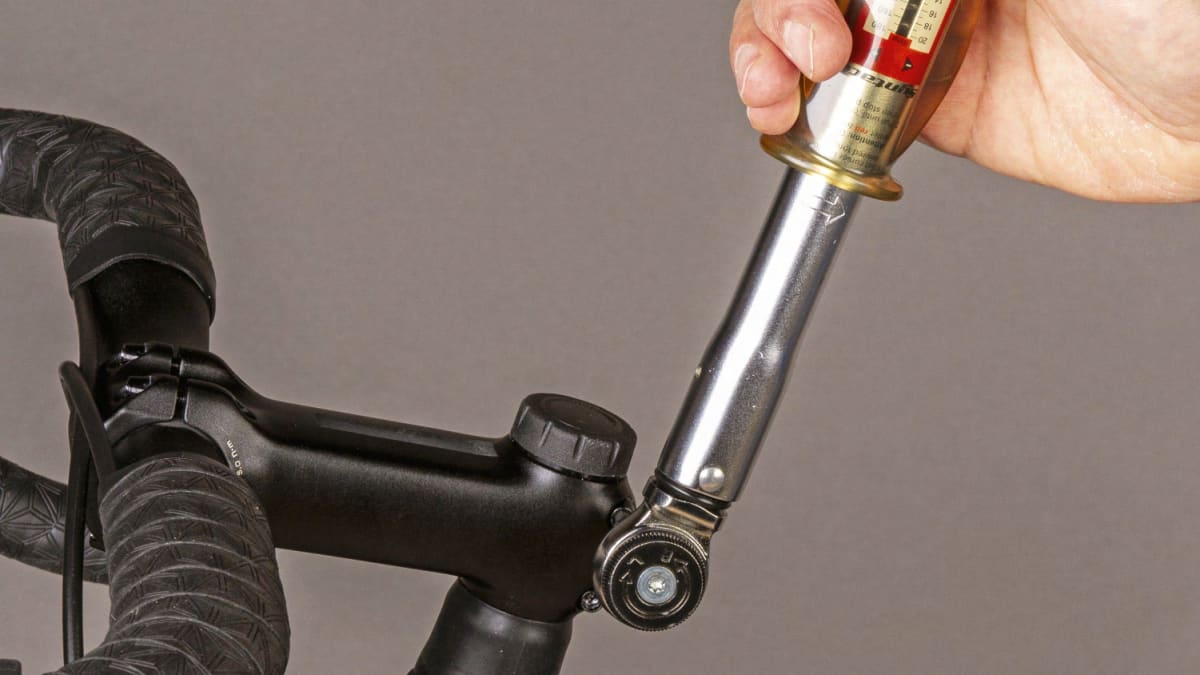
A torque wrench belongs in the workshop, not in your saddle bag. Anyone who tightens their stem bolts to exactly 5 Nm whilst out and about is perhaps taking the sport a little too seriously. When out on a ride, ‘tight by hand plus a bit of feel’ has been enough for decades.
Or perhaps it isn’t quite so superfluous after all? As soon as your bike is made largely of carbon – handlebars, seatpost, cockpit – ‘feel’ becomes a risk. An over-tightened carbon component won’t snap straight away, but it will remember the strain. And if you need to retighten something after transport or a minor fall whilst out on a ride, you don’t want to wreck a €3,000 handlebar. There are also good mini torque wrenches for on the go. For carbon riders on bikepacking tours: a lifesaver. For aluminium gravel bikes and after-work rides: leave it at home.
3. Hydration vest
Hydration vests originated in trail running and have made their way into the gravel scene in recent years. Price: 150 to 250 euros.
Function: Carrying fluid on the frame rather than on the upper body. Is it necessary? Probably not. Your gravel bike has two bottle cages, maybe even three. Or is it actually a good idea? A hydration vest provides extra water – you don’t need to stop as often and you’re on the safe side even when water is hard to come by. There’s also an underestimated advantage: on rough terrain, drinking through the tube is much more relaxed than balancing on the handlebars with one hand for minutes on end whilst trying to manoeuvre the bottle back into its holder. In ultra-long bikepacking races like Badlands or Seven Serpents, where you might be hauling four litres through the desert and water sources are unreliable, the vest becomes a real essential. For after-work gravel rides: a bit of a fancy dress affair.

Sandra Schuberth
Editor
