


E-road bike: game changer or technical doping?
The e-bike is on the rise. And also in the Racing bike-For a long time, the electric motor was frowned upon by racing cyclists due to its "unsporting nature". Until a new drive for e-road bikes made traditional riders change their minds. At TOUR, you can read all the background information on e-road bikes and find out which racers are convincing on the road based on various tests.


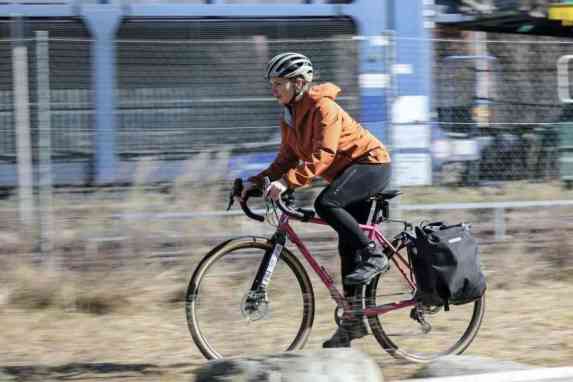

E-road bike: a high-flyer despite initial scepticism
Traditional racing cyclists are all about freedom, speed and testing their own performance limits. This is why they appreciate the lightweight carbon racers, which are not only equipped with high-techComponentsbut also with its sporty, aggressive look and driving pleasure.
At first glance, the electric motor seems to have no place in this lifestyle. Although every type of bike now seems to be available with an additional drive, be it mountain bikes, cargo bikes or city bikes, cyclists have long shied away from e-racers. For them, the racing bike is a piece of sports equipment, the motor is the rider himself. In addition, many felt that the drive system was unsuitable for the slim silhouette of a racing bike. Too bulky and too heavy - factors that long stood in the way of the e-road bike.
However, this changed in 2017 with the introduction of the Fazua motor. This small drive could be integrated inconspicuously into the frame so that the weight and appearance remained almost the same. The battery can also be easily removed. As a result, more and more riders are now turning to e-road bikes.
This is mainly due to the fact that these are so-called pedelecs. Riders are not assisted all the time, but only when pedalling at speeds below 25 km/h. This is a factor that appeals to ambitious racing cyclists as well as other target groups, as the electric bike makes the sport more beginner-friendly.
When is an e-racer worthwhile?
For many riders, the purchase of an electric road bike may well be the right decision. may make sense, even if traditional road cyclists are likely to remain sceptical about the motorised model. The most common uses are:
- after an injury
- to equalise performance differences
- for training on hard terrain
After a break due to injury or illness, an e-road bike is the ideal companion for getting back into sport. This allows the rider to feel their way back to a higher load and switch the motor on or off according to their own feelings. The build-up of fitness is gentle and controlled.
E-road bikes are also the perfect solution for riders who want to keep up with more powerful athletes. If, for example, the partner or the group is more experienced on mountain climbs and longer rides, an electric bike gives the racer the opportunity to minimise or even out the differences in performance. In this way, the rides become more relaxed, the riding enjoyment increases and the cyclist does not overdo it. This is an important factor, as exhaustion could lead to injury.
Pedelecs can also be used to expand the sport's target group. For example, an e-road bike can literally be the impetus to take up road cycling in the first place. Even inexperienced and untrained riders have the opportunity to achieve top times on a racing bike. These successes motivate the athlete to stay on the ball.
Those who want to tackle the toughest Tour de France, Vuelta and the Giro d'Italia Once you try it out for yourself, you quickly realise that your own range of action is limited. Even ambitious riders eventually reach their limits, which can be extended with an e-road bike. Whether steep serpentine climbs or routes over 200 kilometres - the electrified road bike supports the cyclist at the right moments. At speeds above 25 km/h, the pedal assistance switches off automatically.
What characterises an e-road bike?
At first glance, an e-road bike is not so different from a road bike without a drive. And for good reason: most people who ride an e-road bike appreciate the classic design. In addition, many cyclists prefer it when not everyone can see that it is an electrically powered bike. After all, you don't want to have to constantly justify yourself to others.
Despite their similar appearance and the fact that they are still great fun to ride, there are some clear differences between the two types of bike:
- The e-road bike has an integrated motor and battery, which are either built into the frame or seat tube
- Due to the built-in motor, the e-road bike is usually 5 to 10 kg heavier
- Electric road bikes are more often equipped with disc brakes
The E-road bike impresses with its filigree, sporty look, just as athletes are used to from a fast bike. On most models, the drive is integrated into the frame in such a way that it is barely noticeable.
Good to know: To always be aware of your own performance and Fitness most e-road bikes come with the right app. All the rider has to do is install it on their smartphone and they can have every ride analysed. A real fun factor when riding!
Drive: Fazua Evation or MAHLE (Ebikemotion)
In contrast to other electric bikes, where the rider receives permanent assistance from the drive, the pedelec provides a partial power boost. This allows riders to press a button on climbs so that they can climb the hill faster and easier.
However, not all drives are the same. Motors and batteries are available from different manufacturers. These differ primarily in terms of power, range and torque. In general, the drives that an e-road bike can be equipped with can be divided into two variants:
- Mid-motor: This is located in the down tube or bottom bracket. The bike's centre of gravity is low and central, making it easier to control. The market leader in this drive system is the Munich-based manufacturer Fazua. The electrics, motor and battery of the Fazua Evation weigh just 3.2 kilograms.
- Grain motor: It is installed in the rear wheel grain and is therefore visually less conspicuous, allowing the e-road bike to retain its slim silhouette. The drive was originally manufactured by Ebikemotion, now by MAHLE.
The battery range of most bikes is between 90 and 120 kilometres. How long the battery ultimately lasts depends on how intensively the assistance is used. With a pedalling frequency of 75 to 90 revolutions per minute, the rider can increase the range of the e-bike. If they cover a lot of metres in altitude, the range decreases.
Tip: The special feature of the Fazua Evation is that the entire drive unit can be completely removed at the touch of a button. The battery and motor form a single unit for this purpose. This allows the rider to decide for themselves whether they prefer to ride a road bike without a drive or an electric racer. However, the natural, dynamic riding experience is not affected by the drive.
Frame: Carbon or aluminium?
High speeds put a lot of strain on the bike. This is why the frame of an e-road bike is made of a stable and lightweight material such as carbon or aluminium. As with a road bike without a drive system, there is no suspension on the e-model. This is because the greater the rigidity of the frame, the better it can transmit power. As the weight of a pedelec is usually higher than a bike without a drive system, there are many models that are made of cheaper aluminium.
Brakes: Safe at high speeds
Most e-road bikes are equipped with disc brakes. Compared to rim brakes, these can be used more precisely and have more braking power. In addition, disc brakes perform better in wet conditions, but are also more expensive and more complex to maintain. Ultimately, it is up to the rider to decide which brake they would like to have fitted to their pedelec.
Tyres: Narrow, plump and without tread
The tyres on an e-road bike are much narrower than trekking or mountain bike tyres, for example, and generally have no tread. In addition, high air pressure ensures that there is less friction and the bike therefore runs faster. For this reason, road bikes are also less suitable for off-road riding, as the narrow tyres without tread have little grip.
ImportantIn order to achieve high speeds, the equipment of the racing pedelec is reduced to the bare essentials. Most models do not have mudguards, a pannier rack or permanently installed bicycle lights. According to the StVO, however, these must be retrofitted for everyday use in road traffic.
How does an e-road bike ride?
Like conventional racing bikes, e-road bikes are designed for use on tarmac surfaces. The rider adopts an aerodynamic riding position in order to be able to reach particularly high speeds. As most athletes ride their racing bikes at speeds of more than 25 km/h, the riding experience is initially no different from a bike without a drive system.
If the speed is below 25 km/h, the rider can switch on the pedal assistance at the touch of a button. This gives the athlete a slight boost, which is particularly useful on steep climbs and long pedalling stretches.
Tip: If you are travelling on gravel tracks and uneven roads, you should rather opt for an E-Gravel Bike to buy. These motorised bikes complement the fast riding style of the road bike with wider tyres and a more comfortable riding position. Thanks to the tyres, the bike has more grip and the ground is cushioned. The E-Gravel can also be easily fitted with a pannier rack and mudguards, making it the ideal companion for commuters and adventure cyclists.
Who is an e-road bike suitable for?
Most road cyclists always want to improve their times and be able to tackle the hills just like the Professionals on the Tour de France. Like the road bike without drive, the motorised racer is suitable for cyclists who want to achieve a high speed. It is a piece of sports equipment that cyclists can use for training or on longer rides.
The racing pedelec is a real support, especially on long and demanding routes. At the touch of a button, the rider can master the uphill climb more easily, saving not only time but also energy. This allows them to cover longer distances and routes and thus improve their performance.
The e-road bike is less suitable for daily use in city traffic, as the narrow tyres offer hardly any grip and the full potential of the racer never really comes into play. Despite the prejudices, the electric racer has its uses in numerous situations. For example, it can introduce athletes to the road bike segment who have previously shied away from the speeds and the pressure to perform.
E-road bike: What do I need to consider?
Apart from the fact that many road cyclists do not take the e-road bike seriously as a piece of sports equipment, there are a few other disadvantages that should be considered when buying an e-road bike:
- Higher weight
- Expensive to purchase
- More wearing parts and higher repair costs
When buying a bike, cyclists should bear in mind that it is still a racing bike. This includes the aerodynamic riding position, which is not comfortable for every rider. In addition, the bike is only really suitable on smooth roads. Unlike other electric bikes, the battery of an e-road bike does not last as long. This is due to the smaller drive system and the high power that the motor has to deliver on climbs.
If you prefer a more leisurely ride or prefer to cycle on uneven roads, you should consider an electric city bike, Endurance or mountain bike. These are often equipped with larger drive systems from Bosch, Shimano or Yamaha, so that the battery also lasts longer.
Which brand offers e-road bikes and how much do they cost?
E-road bikes are now available from almost every major bike manufacturer. From CUBE and TREK to Cannondale, Bianchi and Pinarello - there is something for every taste and budget. Depending on the components and equipment, the price of a racing pedelec is between 3,500 and 10,000 euros.
Practical tip: Legal basis for electric road bikes
E-bikes are all about speed, especially electric racing bikes. To ensure that the rider is not liable to prosecution, it is important that they are familiar with the legal principles. E-bikes can be divided into classes for which different rules apply:
- Pedelecs: These only assist the cyclist when they are pedalling. Pedelecs are classed as bicycles if they provide assistance up to a speed of 25 km/h.
- S-Pedelecs: S-pedelecs provide pedal assistance up to 45 km/h. The cyclist is obliged to display an insurance licence plate and take out liability insurance. In addition, the rider must wear a helmet, be over 16 years of age and have a category AM (scooter) driving licence. Normal cycle paths are taboo for an S-pedelec.
- E-bikes ride at the push of a button, even if the rider is not pedalling. As soon as they exceed the speed limit of 6 km/h without pedal assistance, they are no longer classed as bicycles but as motor vehicles. In this case, the cyclist requires an insurance licence plate and a moped driving licence or a driving licence that corresponds to the speed achieved.
Unfortunately, there are as yet no special e-road bike competitions in which athletes compete against each other on a modified racer. But beware: taking part in a "normal" race on an e-racer is considered technical doping and leads to disqualification.
Conclusion: reach the speed of the pros with an e-road bike
Despite initial prejudices, more and more cyclists are travelling on an e-road bike. This is mainly due to the fact that the drive on the racer is becoming increasingly inconspicuous. But the wide range of applications also makes the electrified road bike attractive to many: whether after an injury, to equalise performance or for more targeted training - the e-bike impresses with pedal assistance at the touch of a button. Uphill climbs can be so easy.


