


In this article, we use so-called affiliate links. With every purchase through these links, we receive a commission from the merchant. All relevant referral links are marked with . Learn more.
For your first triathlon, keep it simple. With well-fitting swimming goggles, a roadworthy bike and helmet, your trusty running shoes and a few other things, you're ready to go. Anything beyond that should primarily increase comfort and safety (e.g. neoprene, puncture kit), but should not become a new construction site on race day. We have put together all the things you need.
The minimum (so that you can start)
- Swimming goggles: Gives you clear visibility underwater, reduces irritation from chlorine/salt water and helps you to keep your bearings and buoys - especially in swell or sunshine.
- Swimwear or tri-suit: Ensures freedom of movement when swimming and complies with the rules. A tri-suit is practical because you can complete all disciplines without having to change completely.
- Swimming cap: Keeps you (a little) warm, reduces water resistance and makes you more visible to helpers and other participants. It is also compulsory or provided at many competitions.
- Roadworthy bicycle: Is the basis for a safe race: functioning brakes, solid tyres and correctly adjusted gears prevent punctures and dangerous situations - and save you time and stress in the end.
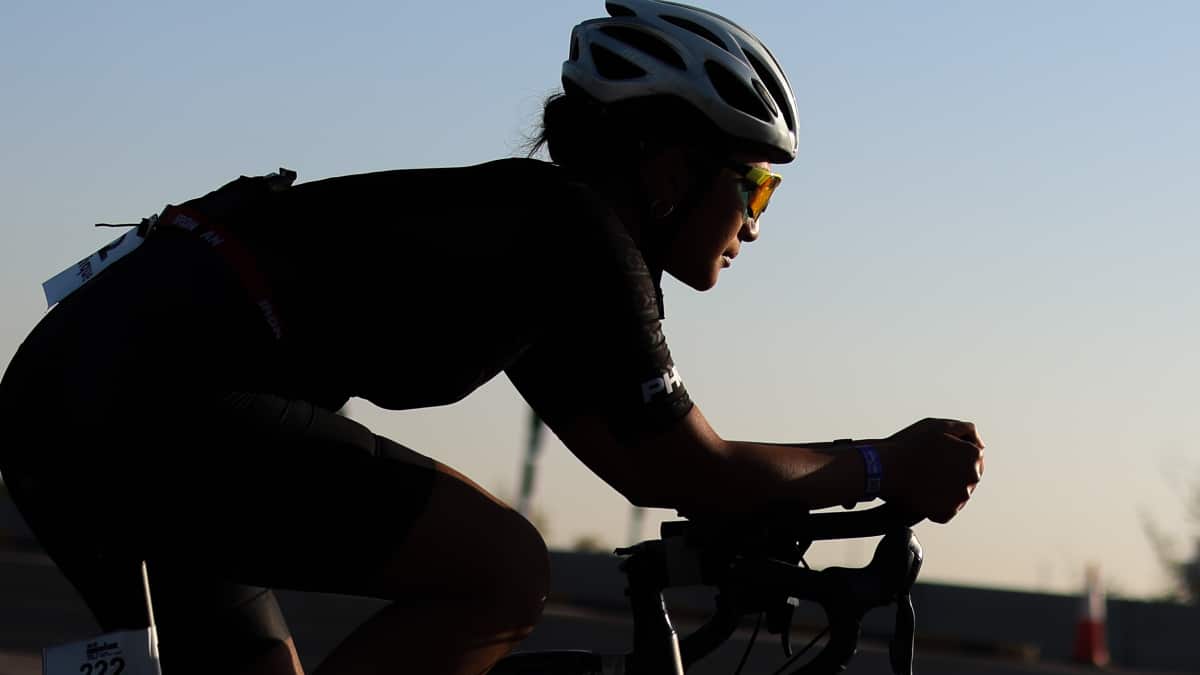
- Helmet: Protects your head in the event of a fall and is practically always mandatory in triathlons. Without a helmet, you will generally not be allowed to start in the transition zone or on the bike course.
- Bicycle drinking bottle: Prevents you from dehydrating on the bike and allows you to take regular small sips without stopping. Drinking is the easiest and most important thing to control, especially on the bike course.
- Running shoes: No experiments on race day - you should know your running shoes and have broken them in.
- Small towel: Serves as a "tray" in the transition area so that you can find your things quickly and don't have to search in the grass/sand. You can also quickly wipe your feet, which makes it easier to put on socks or shoes.
- Race number tape: Saves time because you don't have to pin and unpin the race number. You simply turn the tape forwards (run) or backwards (bike) - depending on what the rules require.
Highly recommended (makes it much more relaxed)
- Wetsuit (if permitted): Keeps you warm in cold water and provides buoyancy, making many swimmers more stable and calmer. This can save energy - but it is important that it fits well and that the competition rules (temperature/authorisation) are suitable.
- Cycling goggles: Protects your eyes from wind, insects, dust and swirling dirt. In addition to comfort, it also increases safety because you don't have to suddenly blink or swerve on the cycle route.
- Mini breakdown kit (Spare tube, Tyre lever, Mini pump/CO₂): This is your "insurance" against a flat tyre. You can often fix a puncture in just a few minutes and continue the race - instead of having to wait for help or having to get off the bike.
Not necessary for the first triathlon
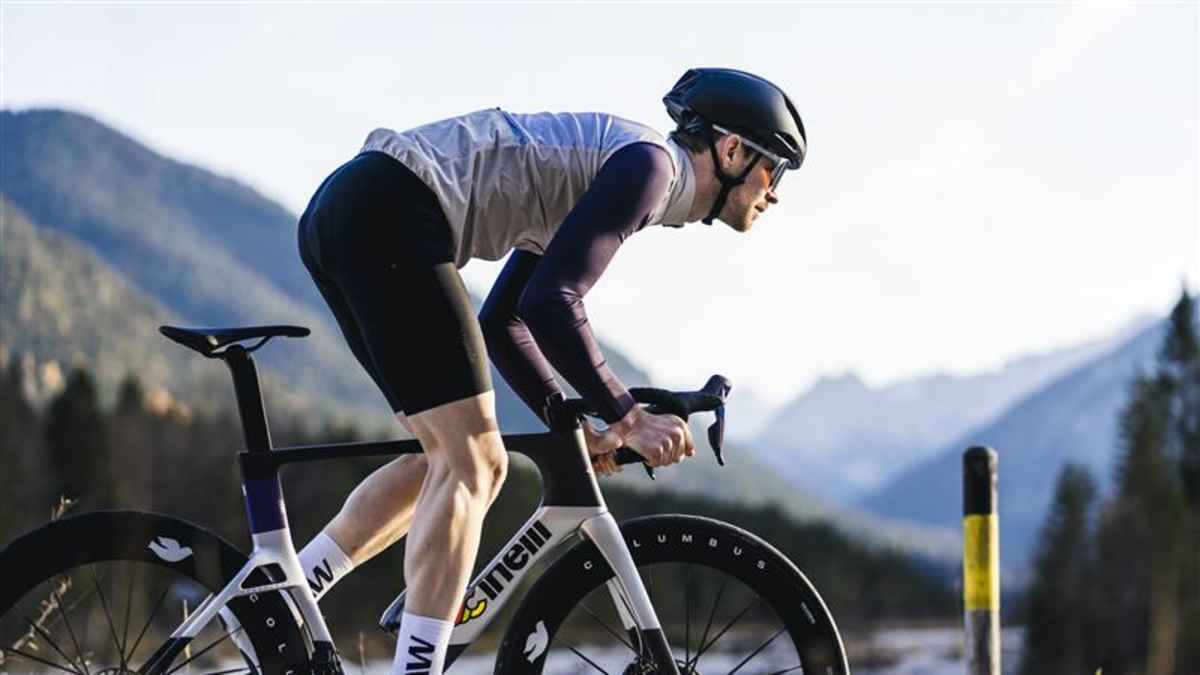
Aero helmets, carbon wheels, wattmeters, high-end triathlon shoes and other expensive "race" gadgets can boost your performance or comfort by a few per cent in competition, but they are rarely the biggest lever for rapid progress and are certainly not necessary for your first triathlon. So before you get yourself such an upgrade, think about what you really need.
Leon Weidner
Working student
