


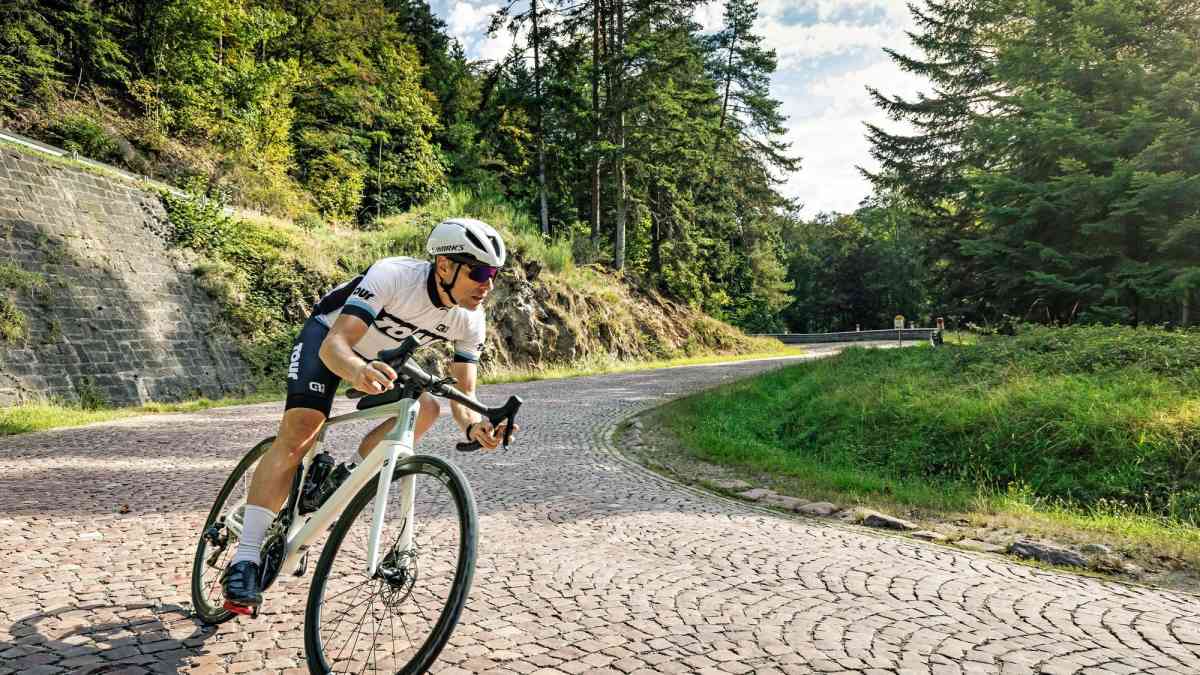
Anyone who has ever ridden over cobblestones, dirt tracks or old city streets in northern Germany knows that vibrations cost energy, hit your hands and back and, in the worst case, can lead to falls. The pros prepare meticulously for Paris-Roubaix - and a few of their tricks work well for the rest of us too.
Before I took part in the Hell of the East, a cobblestone event for everyone that started and finished in Halle an der Saale, a friend promised me "You won't be able to open a bottle of beer at the finish". I was very proud when I was able to open the finisher's drink after all. The reason was probably twofold: firstly, I was riding with wide tyres and secondly, that year you could also ride a lot on the dirt track next to the bumpy cobblestones.
The Hell of the East was revived by the upcycling team in Leipzig and will take place on 12 April 2026, the day of Paris-Roubaix. There are two route lengths with the start either in or near Halle and the finish at the Leipzig cycle race track, where public viewing of the professional race is offered.
But how the hell do you survive so many cobblestones on a road bike?
Tyres: Wider is better
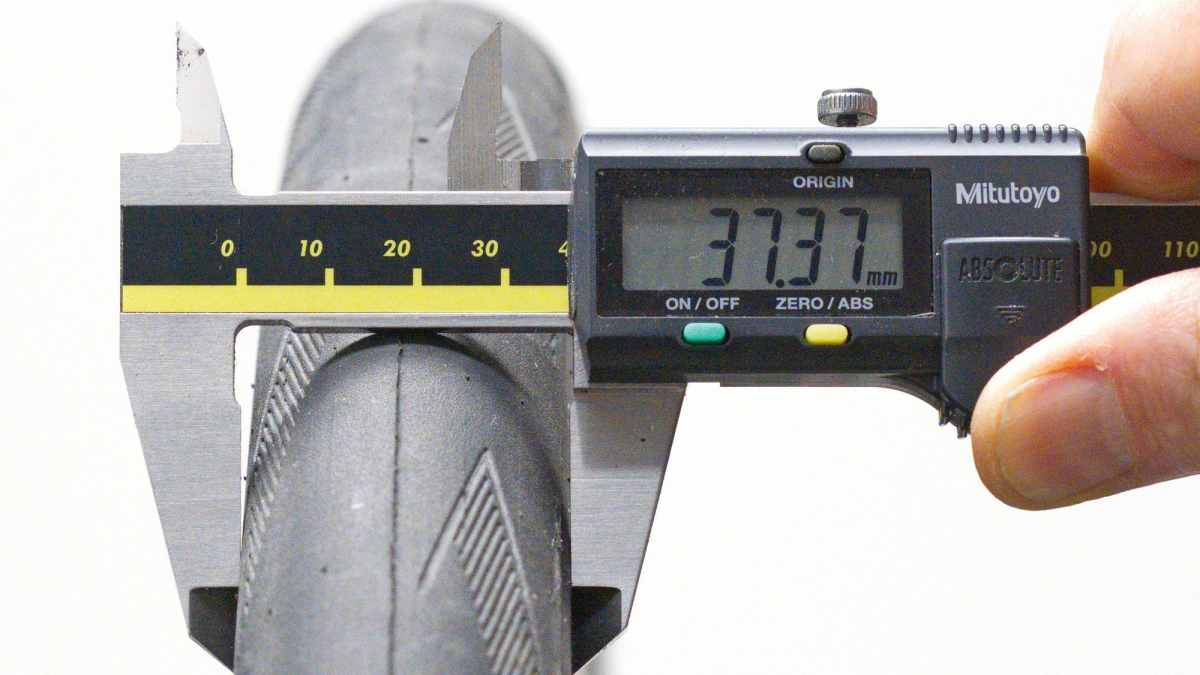
This is the most important adjustment screw of all. At Paris-Roubaix, the pros do not ride narrow 25 mm tyres, but usually 30 to 32 millimetre wide tyres - with significantly reduced air pressure. Wider tyres cushion more and offer more grip on uneven surfaces. If you are planning a ride that includes cobblestones or gravel - or are taking part in the Paris-Roubaix everyman race: Choose tyres as wide as the bike allows and reduce the pressure noticeably.

Tubeless or inner tube?
Most of the pros now ride tubeless at Paris-Roubaix - i.e. without an inner tube, with sealing milk in the tyre. The decisive advantage: even lower tyre pressure without the risk of punctures, small cuts seal themselves. If you ride tubeless, you can reduce the pressure even more relaxed on cobblestones. If you stay with the inner tube: pack enough spare tubes.
Handlebar tape: thicker, but not necessarily double
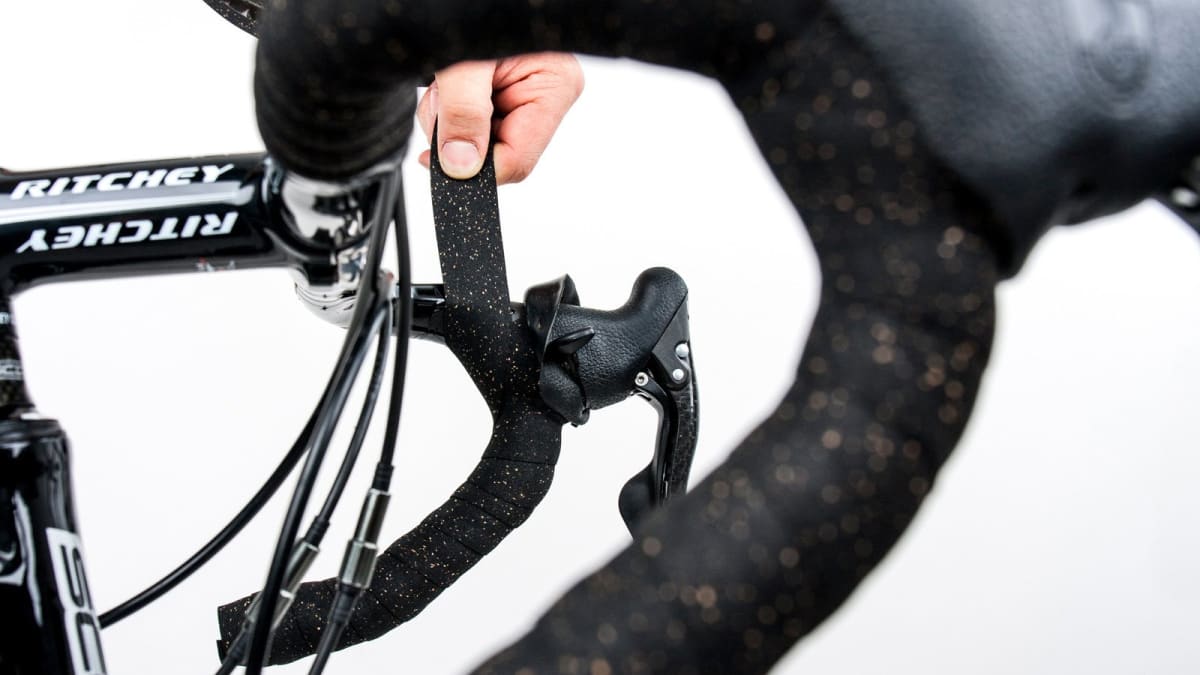
Outside of the classics season, professionals usually ride thin handlebar tape - it offers more feel and control, and high-quality carbon components take over some of the damping. Things are different for Paris-Roubaix: Double handlebar tape has been one of the classic pro tricks for Paris-Roubaix for years. However, according to Mathieu van der Poel bikeradar.com the 2024 edition with single-wrapped tape - and without gloves. In 2025, however, double-wrapped handlebar tape was spotted on his bike, as Rouleur reported. As an alternative to double tape, there are now also gel inserts that are glued under the handlebar tape, as well as special gravel handlebar tape, which is inherently more comfortable and grippier. For amateur cyclists, the following applies: thicker tape or gel inserts are worthwhile on cobblestones before investing in more expensive equipment.
The right bike
An endurance road bike with more tyre clearance has a clear advantage over a stiff aero racer on cobblestones. With room for width.
Chain catcher: Underestimated
On a vibrating surface, the chain can jump off - at the most unfavourable moment. Professional teams specifically secure the chain at Paris-Roubaix, some ride single cranks with a chain guide. For amateur cyclists who regularly ride on bad roads, a simple chain catcher is an inexpensive and sensible investment.
Gloves: It depends
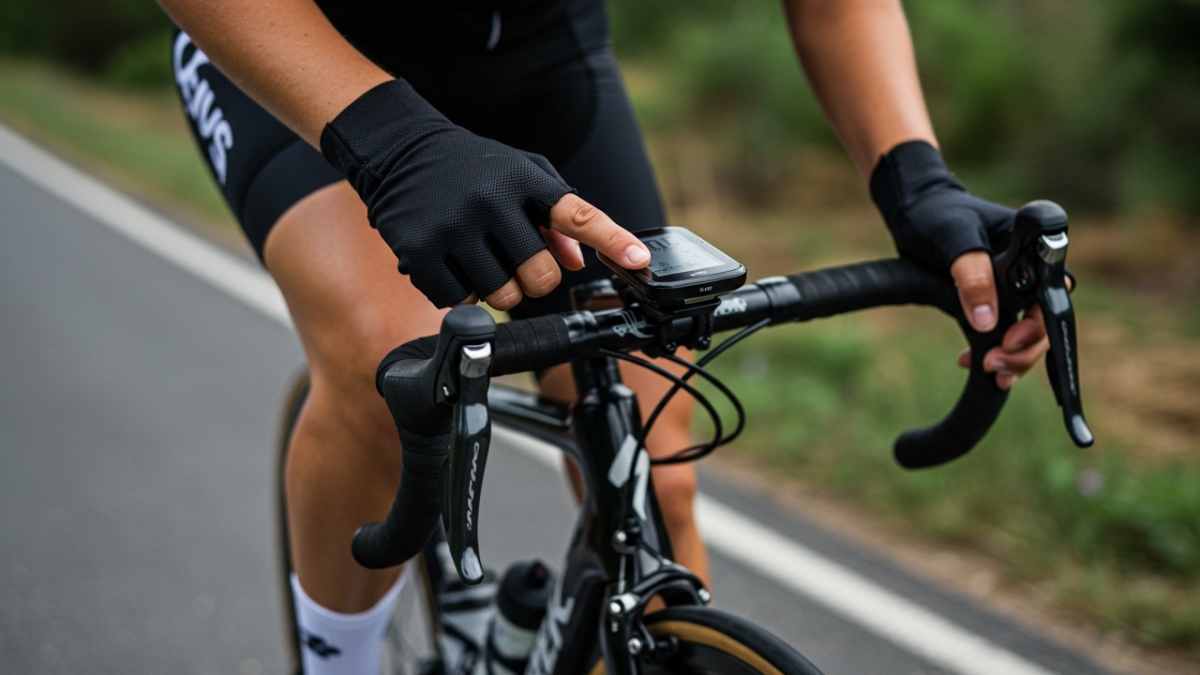
Padded gloves dampen vibrations and essential: gloves protect in the event of a fall. Riding with gloves is therefore also a safety issue. However, if you are prone to blisters: Gloves can also favour the formation of blisters. Some people tape the contact points between their fingers to prevent friction. Some professionals prefer to ride without gloves. We strongly recommend that amateur riders wear gloves: Gloves on, crash protection included. If, like me, you prefer to ride without padding in your gloves, this is also an option.
And short-fingered gloves don't even have to sacrifice flawless touch function. With a twinkle in our eye, we took a closer look at the topic on 1 April.

Sandra Schuberth
Editor
