


Aero tuning on a road bike: The biggest levers with watt potential

In this article, we use so-called affiliate links. With every purchase through these links, we receive a commission from the merchant. All relevant referral links are marked with . Learn more.
Orders of magnitude of 15 to 20 watts are realistic. Individual components such as the drive add another two to three watts on top. The only question is: where do you start?
The principle: first the big levers
Aerodynamics is not a parts problem, but a system issue. Rider, position and bike influence each other. That's why it makes no sense to optimise the front derailleur if the jersey is flapping in the wind. The order: Firstly, what influences the overall system the most - front area, seat position, frontal area. Then component fine-tuning. Lastly, the small stuff: cables, mounts, gadgets.
1. clothing and position: the most favourable watt lever
Yes, this article is called "Tuning your bike" - but it still needs to be here, because the rider causes the majority of the air resistance. With a stable, flat position on the bike (head down, arms inwards) and narrow handlebars, you can save up to 50 watts with your riding position alone.
The clothing is just as important: tight-fitting clothing without flapping shoulders, no open jersey, no loose waistcoat. The icing on the cake is a special aero one-piece suit, as worn by the pros as standard. Special aero clothing leads to a decent speed boost of up to 30 watts. Important: Fast clothing always helps - even if the riding position, such as on a marathon racing bike, is not aerodynamically optimised.

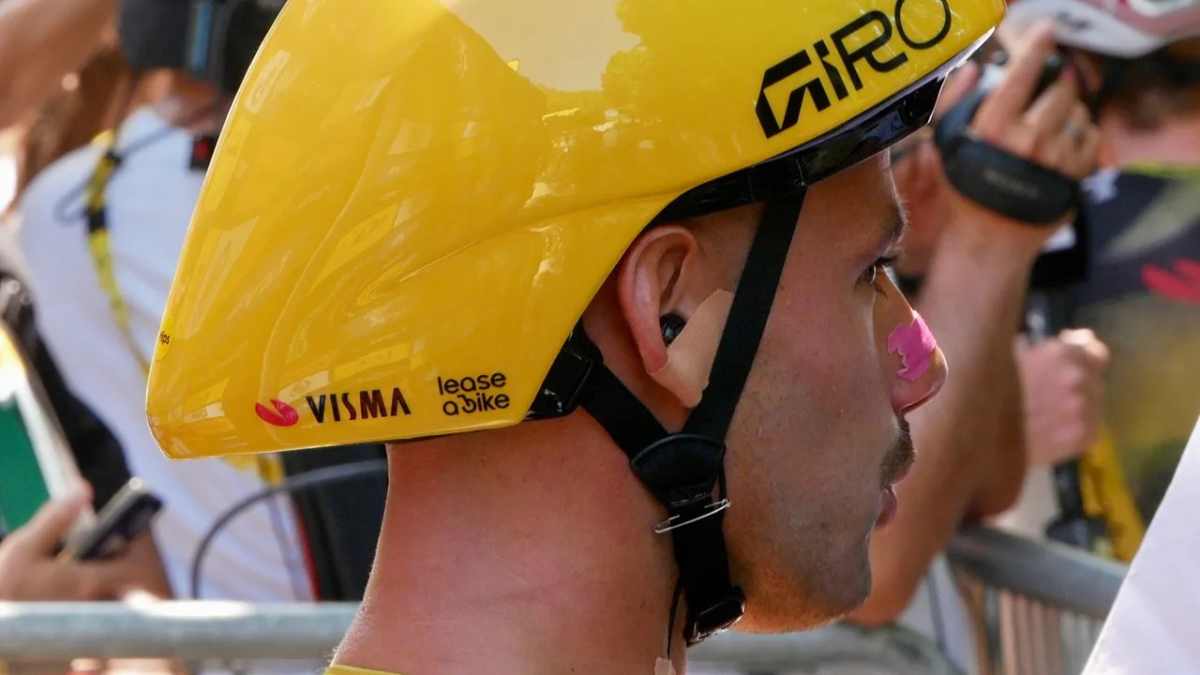
This also includes the helmet: A Aero helmet brings measurably more than many component upgrades compared to a normal road bike helmet - and is often underestimated. Our results so far have shown that an aero model can provide an aerodynamic advantage of around 10 watts compared to a conventional helmet. Shoe covers and close-fitting socks are small additions that contribute to the overall calculation.
Hair off for the world record attempt
Lael Wilcox showed just how consistent aero-optimisation can be before her world record attempt: she carried out aerodynamic tests and her aerobar bag is aerodynamically faster than when she rides without it. A bun is faster than a ponytail. Short hair is probably even faster - and it saves time every day: less hair washing, no combing, no tying up. So they come off before you start.
Wilcox wants to be the fastest person to cycle around the world - in other words, beat the men's record. As of her announcement in January 2026, Scotsman Mark Beaumont is the world record holder: 29,008 kilometres in 78 days and 14 hours.
At this point, you will find external content that complements the article. You can display and hide it with a click.
2. wheels: Aero-Watt with real suitability for everyday use
High-profile rims reduce drag without having to change anything in terms of ergonomics. The simplest hardware upgrade path - albeit not the cheapest, because the high profiles can only be built from expensive carbon with sensible weights. Savings of up to ten watts are possible. The following applies: the front often counts more than the rear because the front wheel directly influences the airflow. But beware: high rims impair handling considerably, especially in gusty crosswinds. It can be difficult to hold the line and can even be dangerous. Some wheelsets are therefore slightly flatter at the front than at the rear. Rim heights of around 50 millimetres have established themselves as good all-rounders. Even higher profiles do not provide much additional speed, but become increasingly unpleasant to handle in crosswinds. Tyres and rims work as a system; the combination can be faster or slower than each part on its own.
3. front tyre: the fastest aero lever at the front end
The front wheel is the first surface that the air hits - and the interaction with the fork, head tube and wheel is particularly strong there. An aerodynamically optimised tyre can help the system noticeably, especially at high speeds and in direct headwinds.
Important here: the 105% rule. It states that the outer width of the rim should be about 5% wider than the mounted tyre. If the tyre is significantly wider than the rim, a "lollipop tread" is created - the transition creates turbulence. Special aero tyres such as the Continental Aero 111 can save up to another three watts.
4. underestimated interfering bodies
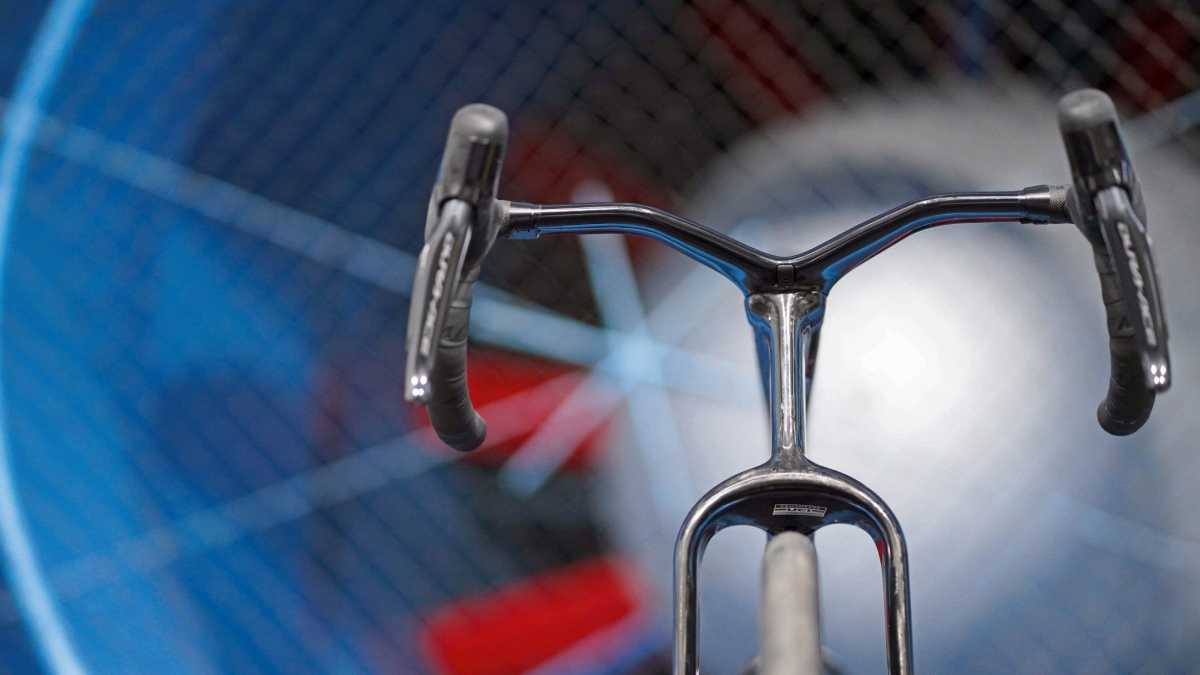
Water bottles, lamps, bags, cables and wires cause turbulence. Specially aerodynamically shaped water bottles, the correct positioning of accessories and a tidy cockpit are adjusting screws that bring aerodynamic advantages. But pay attention to practicality: Special drinking bottles can be impractical in races, an integrated cockpit means more maintenance work and often less customisation options.
5. 1x instead of 2x: low wattage, clear message
A few watts can be gained by switching to a single drivetrain. The front derailleur and the second chainring are eliminated. This can add 2-3 watts.
For whom is this worthwhile? For races or events with a manageable profile, or for anyone who wants simplicity and can live with the gear ratio jumps. Those who ride long passes and need a very fine cadence gradation are often better served with 2x.

Sandra Schuberth
Editor