


Packing list for a road bike tour: What belongs in your jersey pocket? (and what not to pack)
Sandra Schuberth
· 05.04.2026

In this article, we use so-called affiliate links. With every purchase through these links, we receive a commission from the merchant. All relevant referral links are marked with . Learn more.
Three bags, endless opinions. Anyone who rides in a group will quickly realise: What others stow in their jersey pockets is as individual as their road bike configuration. Some ride with half a pharmacy, others with just a bar of smartphone in their pockets.
There are a few basic rules that make life on the saddle much more relaxed.
The absolute minimum
Whether it's a short ride or a day's ride, your bike shouldn't leave the garage without these five things.
Inner tube (or tubeless patch kit), Tyre lever, a small mini pump, Multitool, identity card or health insurance card and some cash - for emergencies, for a café, for the train home. If you are travelling without a mobile phone (do they still exist?), you also need an emergency number written down somewhere.
However, it is up to you whether you use the jersey bag or other storage options such as a saddle bag, the storage compartment in the frame, a frame bag, a top tube bag or or or or ... the possibilities are endless.
Nutrition: Don't underestimate it
Hunger is not a myth. It also affects experienced travellers - usually when you thought you didn't need anything. Rule of thumb: At the latest on rides of 90 minutes or more, you should keep food and drink in your jersey pocket. Bars, gels, waffles, real food - the main thing is high in calories and quickly accessible.

A bar or gel is often enough for short sessions, for longer tours you should pack too much rather than too little. A half-eaten bar in your bag is no drama. A hunger pang at 80 kilometres is.
I've been in the situation myself a few times where I've set off on a short ride after work and had to stop somewhere on the way out of town to buy a snack and get through my planned tour.
Weather and safety
A windbreaker or a very thin rain jacket belong in the jersey pocket in changeable weather. Most modern jackets fit in well when rolled up without squeezing or flapping. If you're out and about in spring or autumn: arm warmers or thin ones take up hardly any space and save your mood in the worst case.
Also often forgotten: Sun cream. For short journeys, you should apply sun cream beforehand. For long journeys, you will need to reapply in between.
What should rather not go in
The jersey pocket is not a rucksack. Heavy, hard or sharp-edged objects have no place there - for one simple reason: a fall.
If you crash on a road bike, you often end up on your back. Anything in your jersey pocket ends up between your back and the tarmac. Hard mini pumps, power banks, heavy locks or even tools can cause damage in the event of a fall - bruises, haematomas and, in the worst case, worse. The rule is therefore: put soft items in the centre pocket, hard items in the outer side pockets if possible - and if in doubt, store them in a saddlebag.
Smartphones or action cams should also not be placed above the spine. If you take them with you (and you should), it's better to use side pockets or cargo pockets on your cycling shorts.
The trend: less is more
In the professional scene and in ambitious amateur sport, another idea has been gaining ground for a few years now: the empty jersey pocket. If you want to be aerodynamic on the road or simply love the feeling of having as little as possible on your body, you do without extra luggage. This makes sense for races and short sessions - but you still need a minimum amount of equipment for everything else.
The counter-current: bikepacking mentality meets road bike. More and more riders are using a combination of jersey bags, small frame bags and saddle bags, making them completely self-sufficient for rides lasting several hours. The jersey itself remains lighter than before - sometimes it is even replaced with a casual T-shirt.
Briefly summarised
Should come on the tour: Puncture repair kit (inner tube, tyre lifter, CO₂ or pump), energy (bars, gels), cash and ID, windbreaker or arm warmers if required. Whether you use the jersey pockets or other pockets is up to you.
Preferably not in the jersey pocket: Hard, heavy, sharp-edged items - at least not in the centre pocket.
And the most important thing: Try out what works for you. If you've ever cycled with your bags too full, pack a little less next time. If you had to be picked up because the spare inner tube was at home, you probably won't forget it next time.
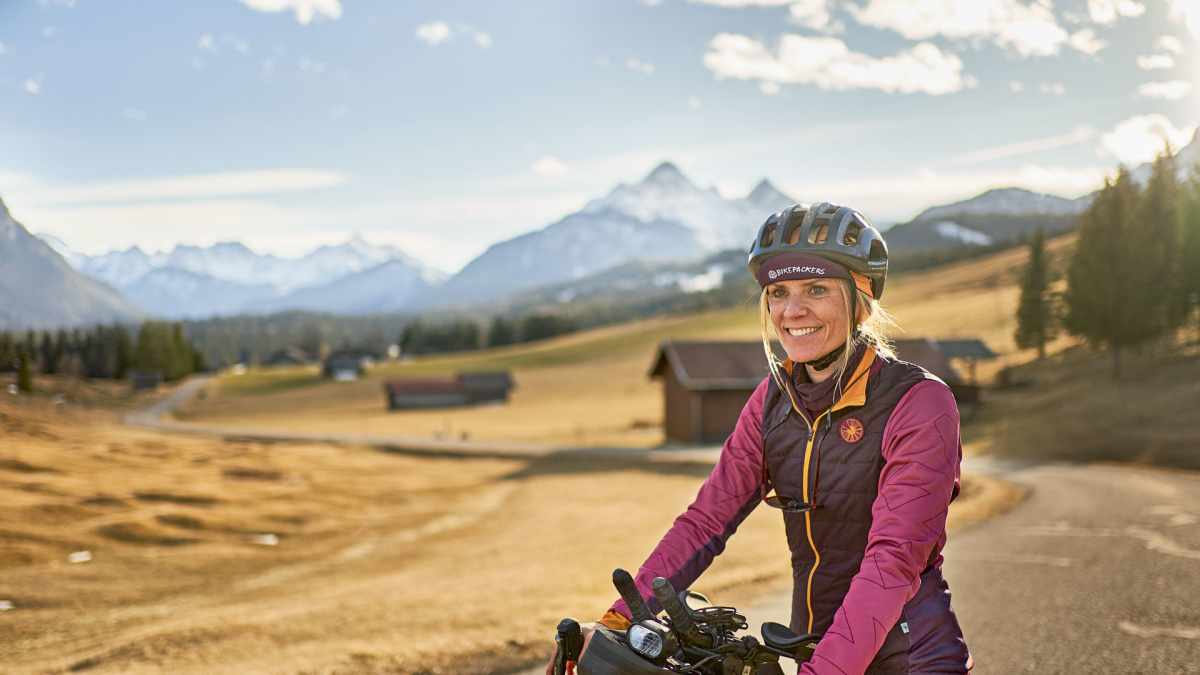

Sandra Schuberth
Editor